The Language of the Land
Housed in the former Domus Municipalis in the historic centre of Miranda do Douro, the Museum of Terra de Miranda reopened on 10 October 2026 after more than four years of renovation and extension works. Founded in 1982 by António Maria Mourinho, the museum holds the ethnographic, archaeological and linguistic collections of Miranda do Douro, Vimioso and Mogadouro.
EDIGMA designed the new permanent exhibition and delivered its technology and graphics throughout the building. This was a complete overhaul that meant redesigning the execution project, giving the museum contemporary museography while keeping it rooted in its territory.
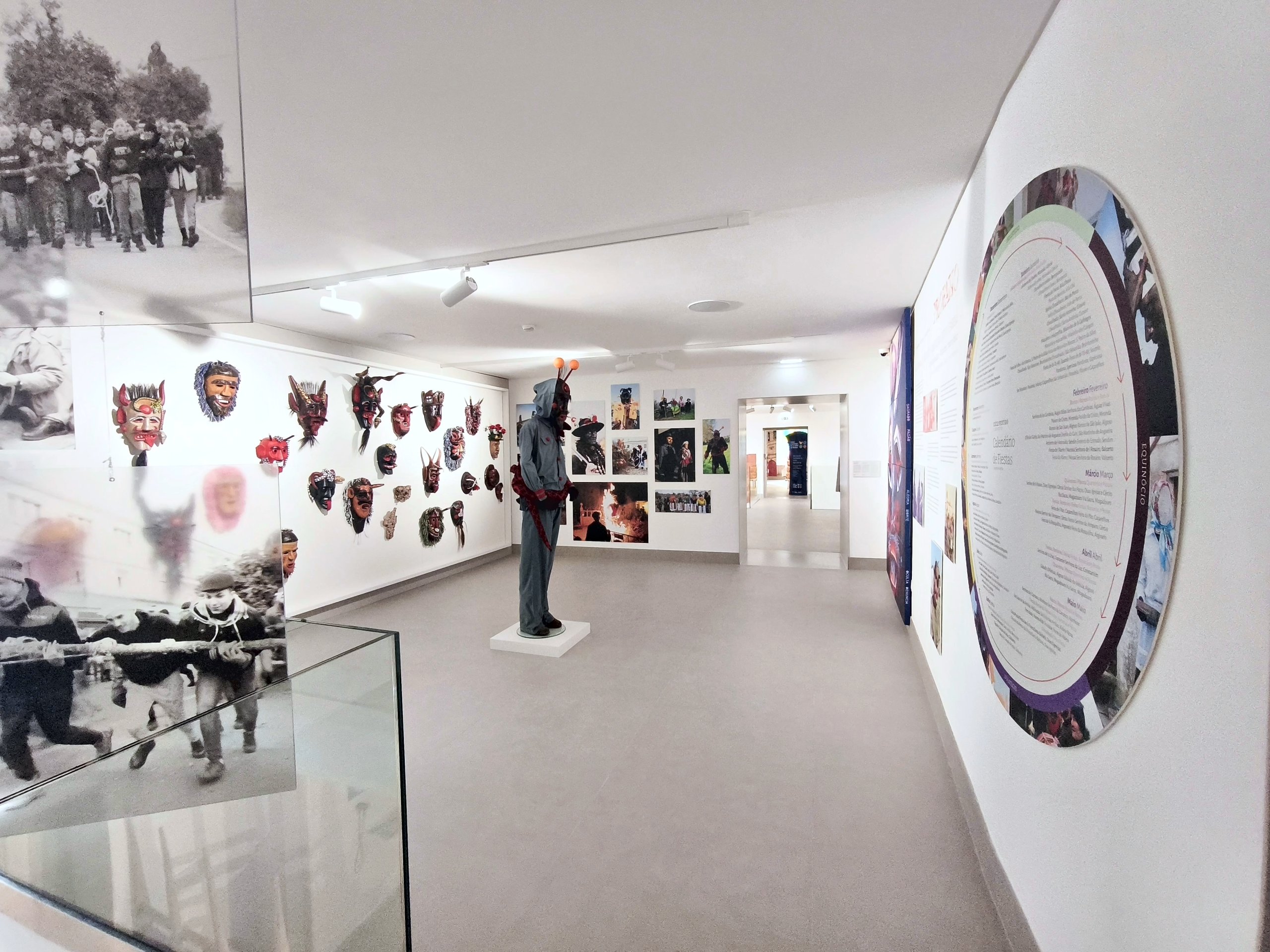
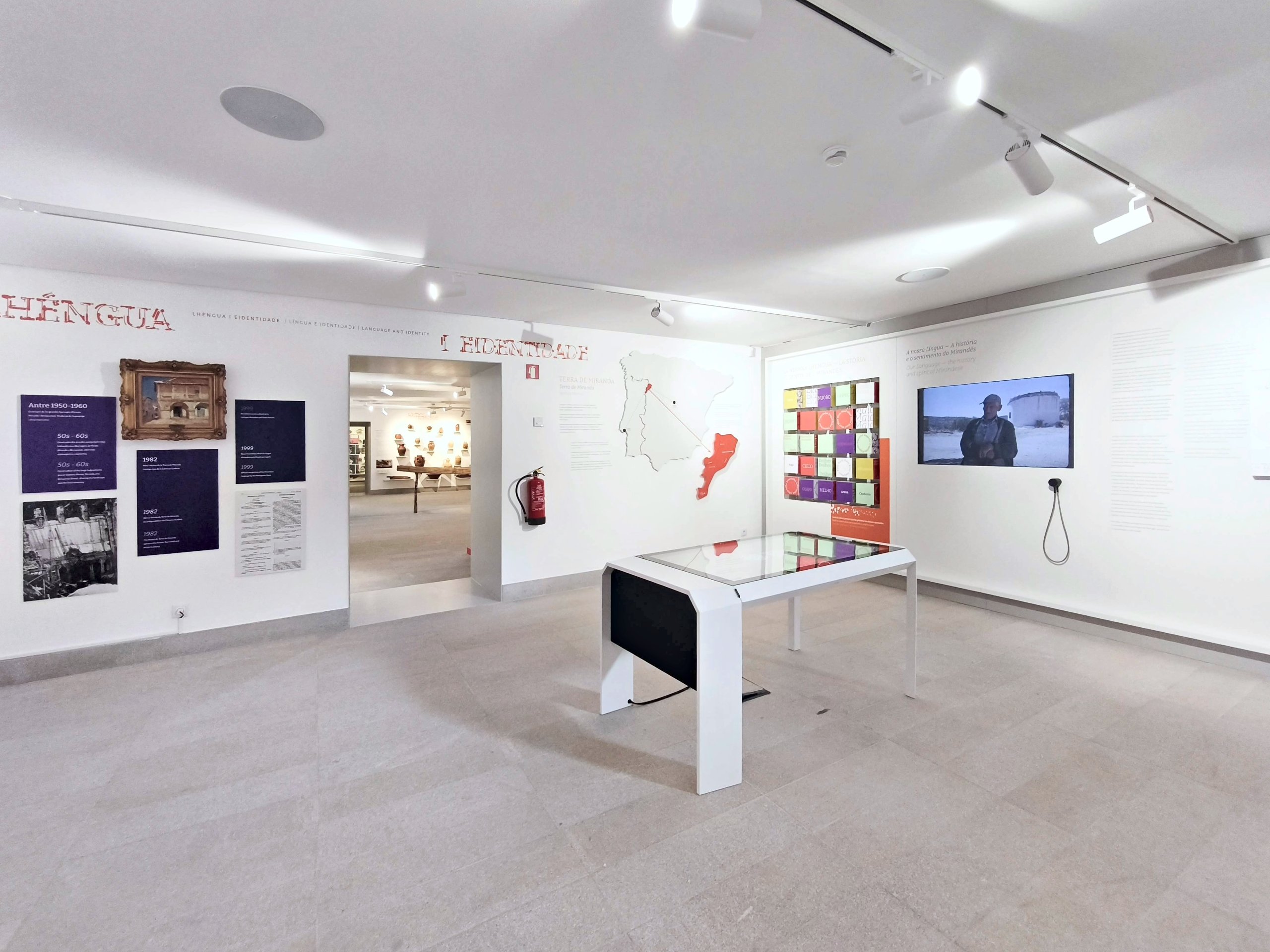
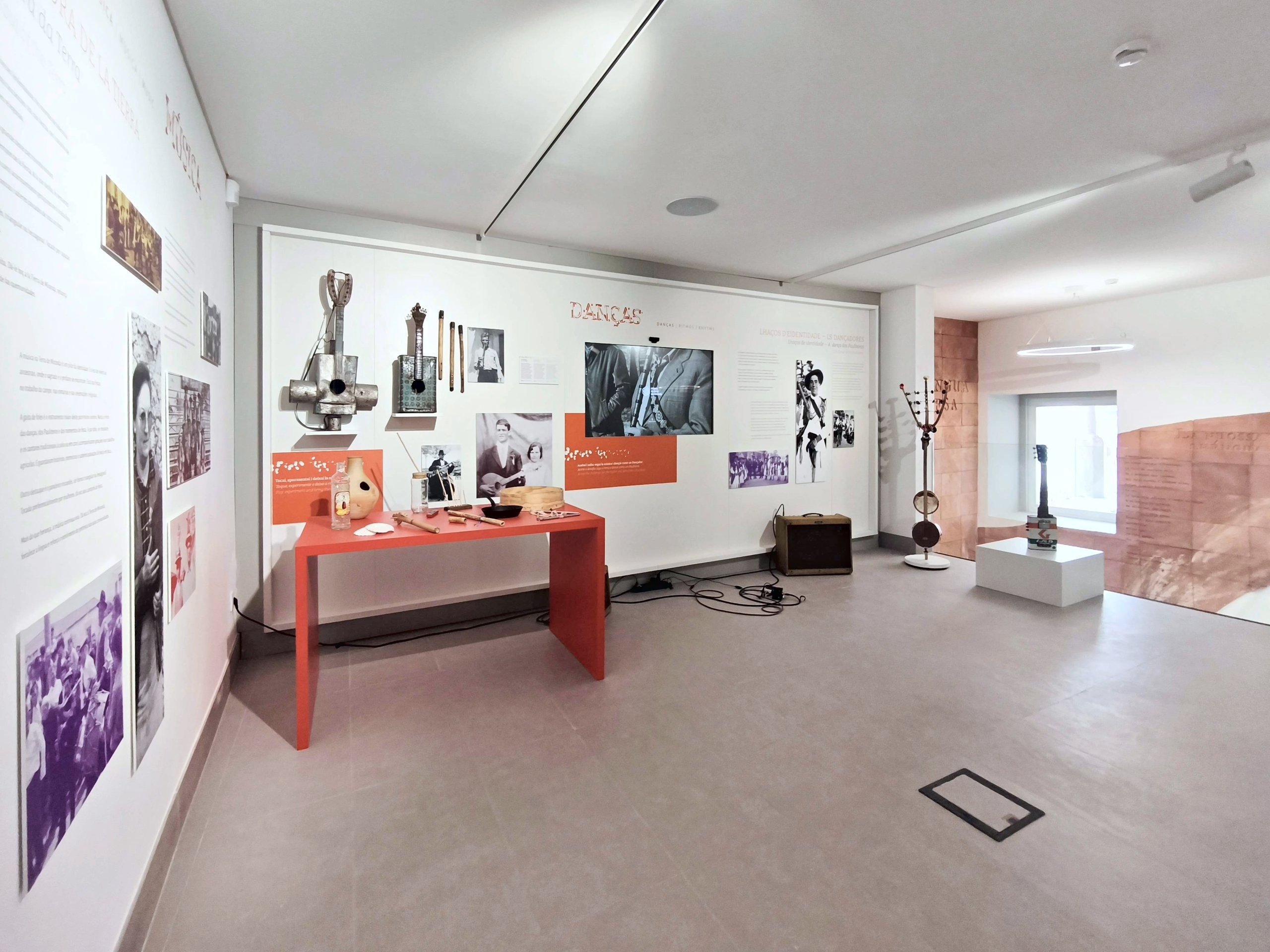
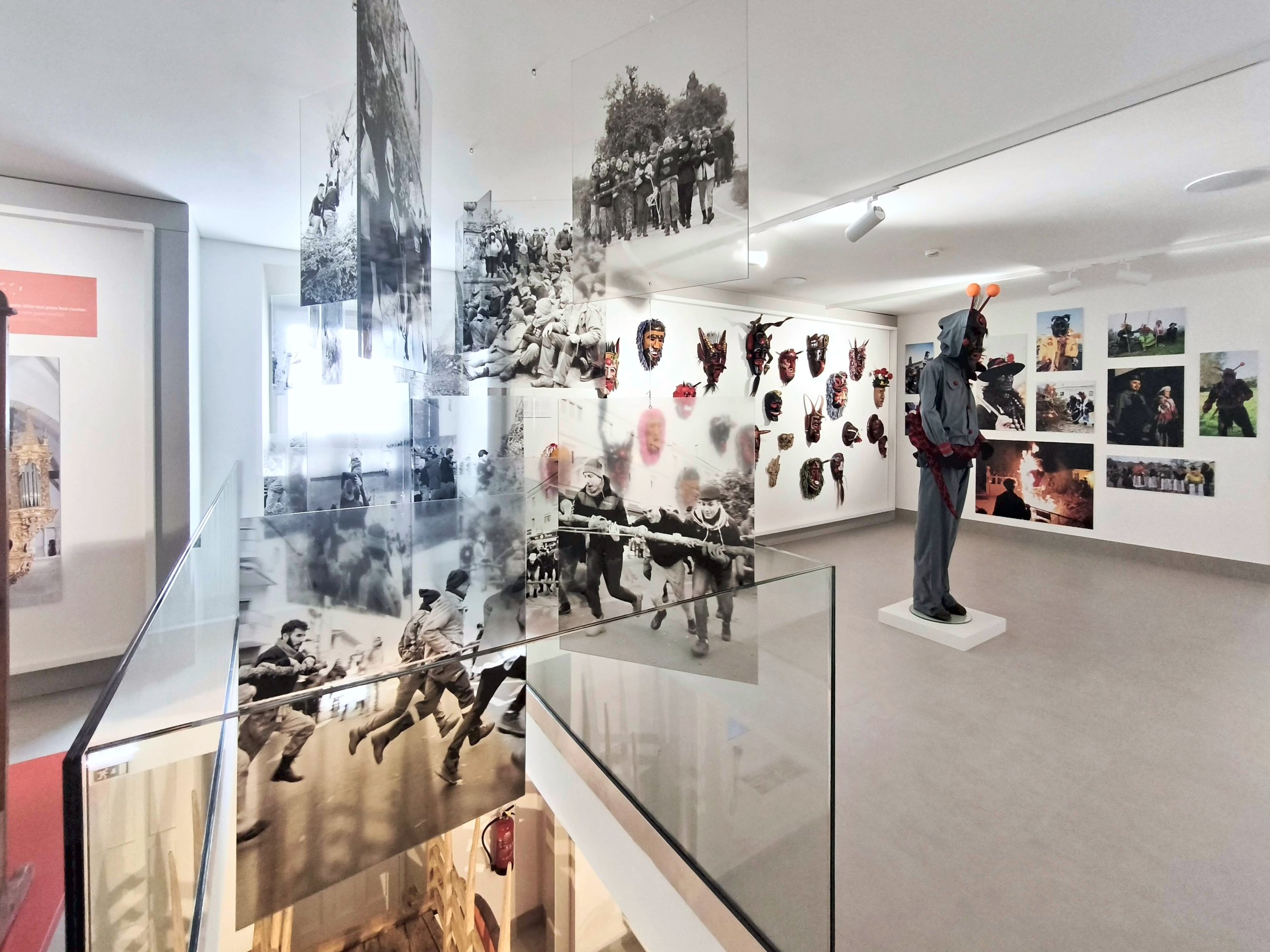
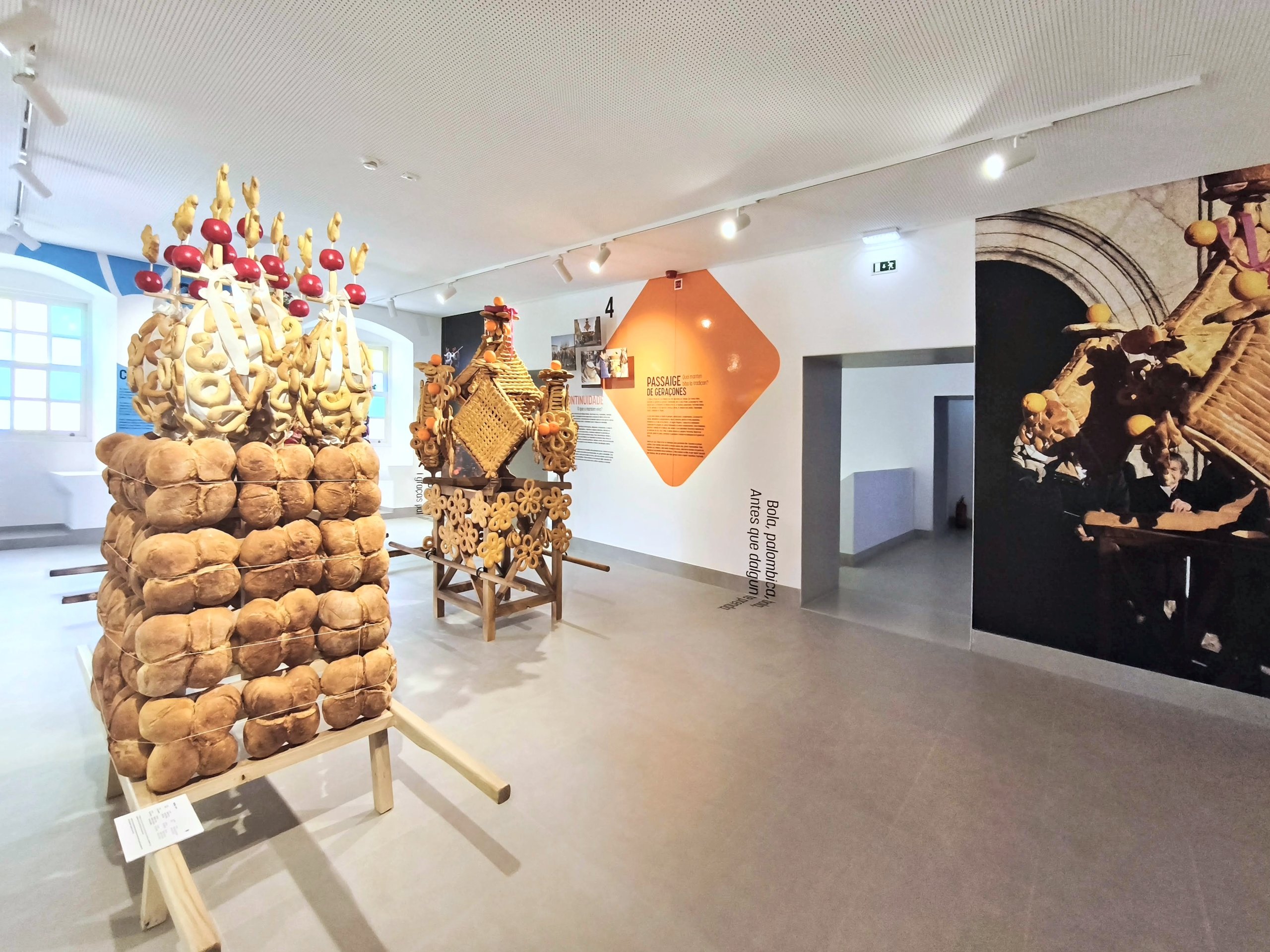
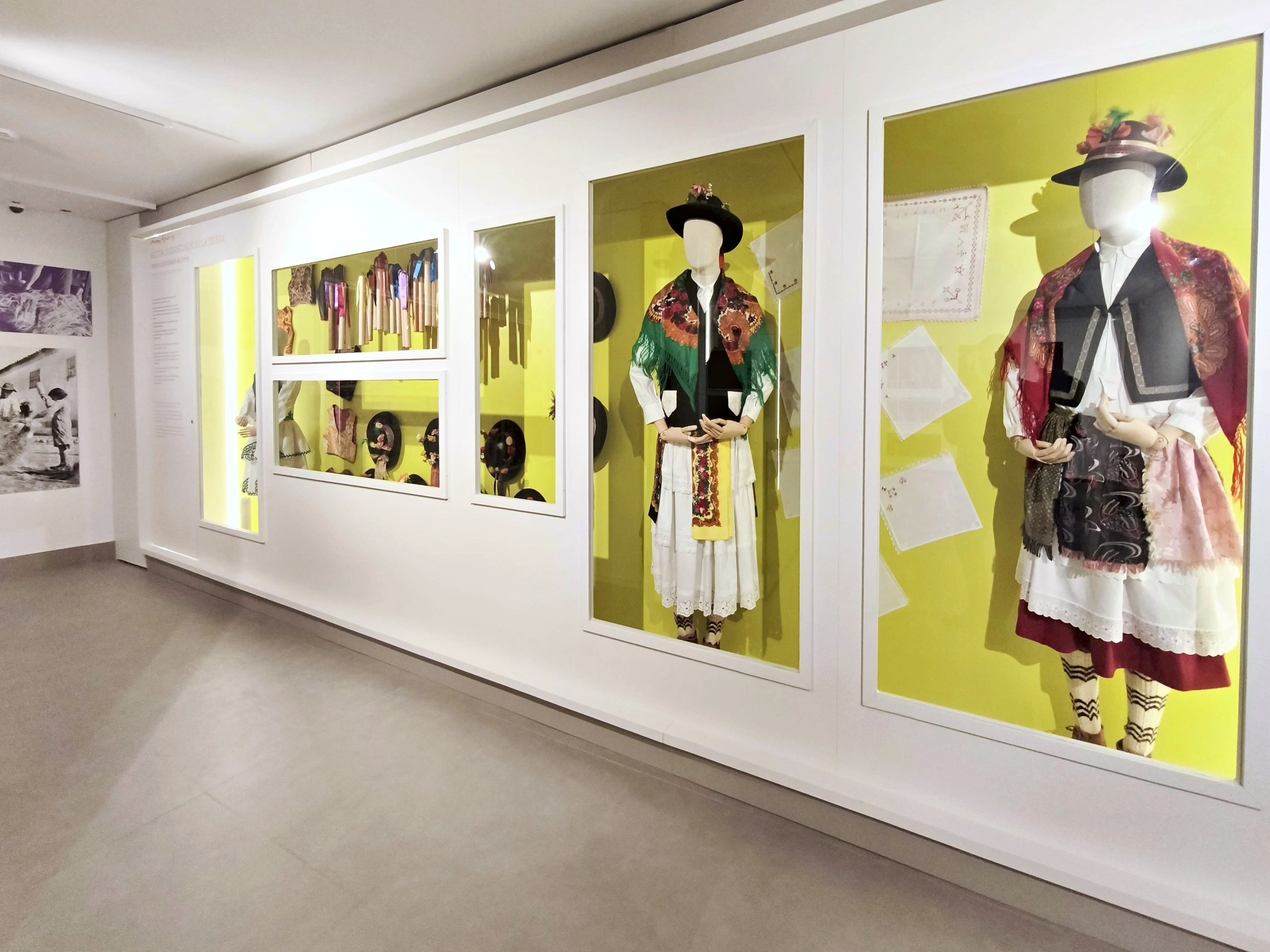
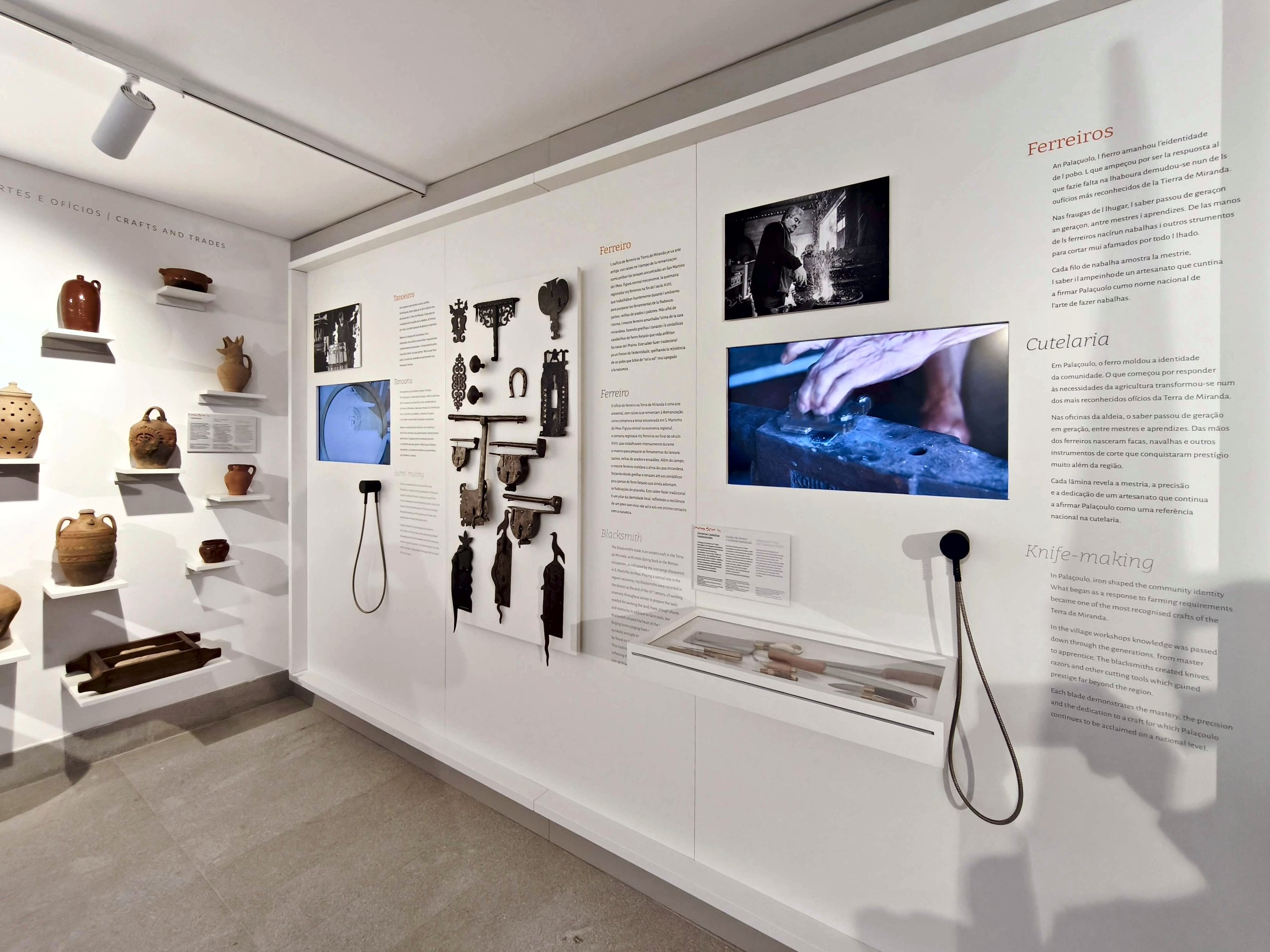
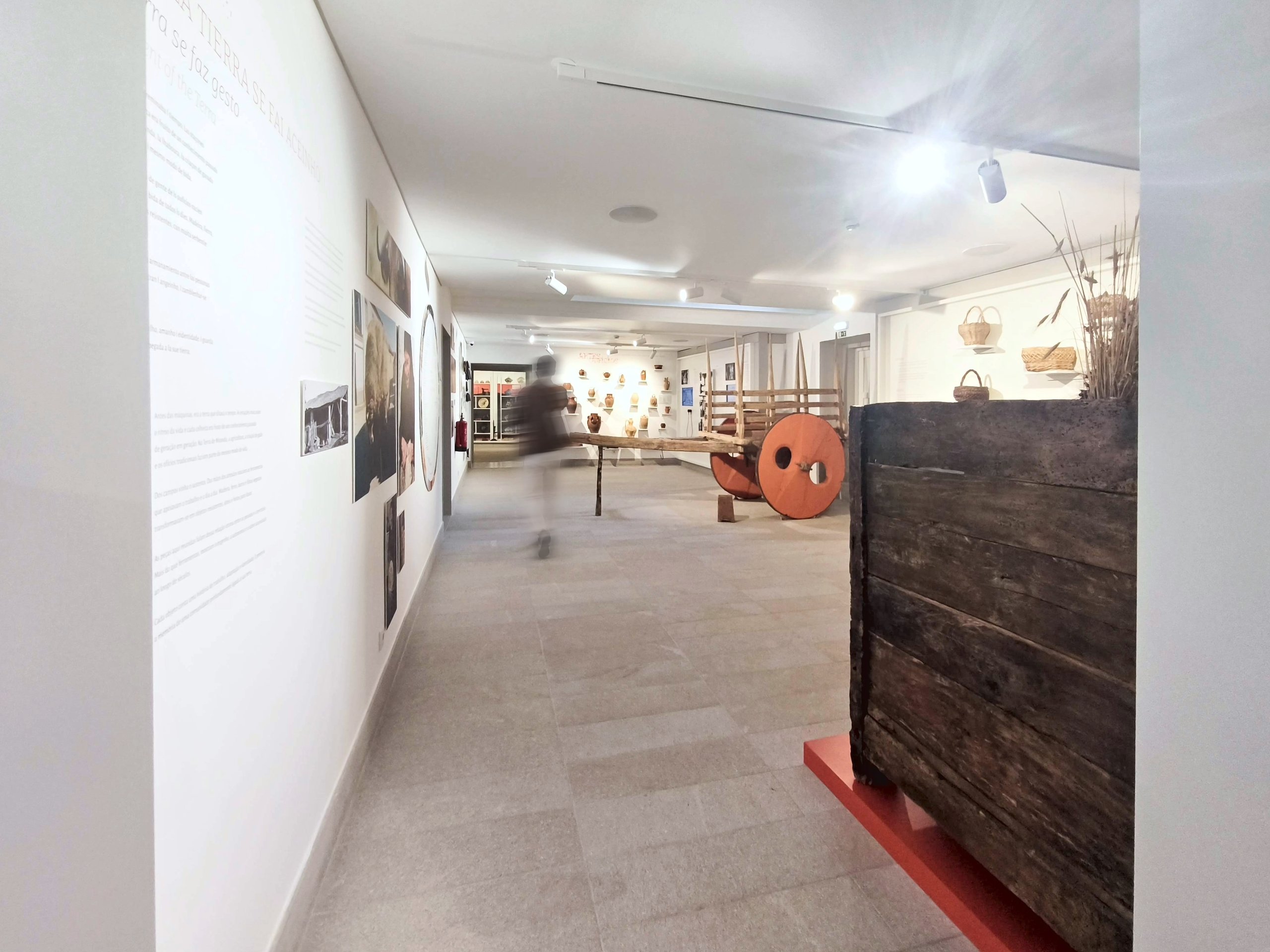
Mirandese, Portugal’s second official language, guides the visit. It appears alongside Portuguese and English across all content and signage, and takes visitors through language and identity, music and dance, traditional crafts, costume, the bread cycle and the calendar of festivities.
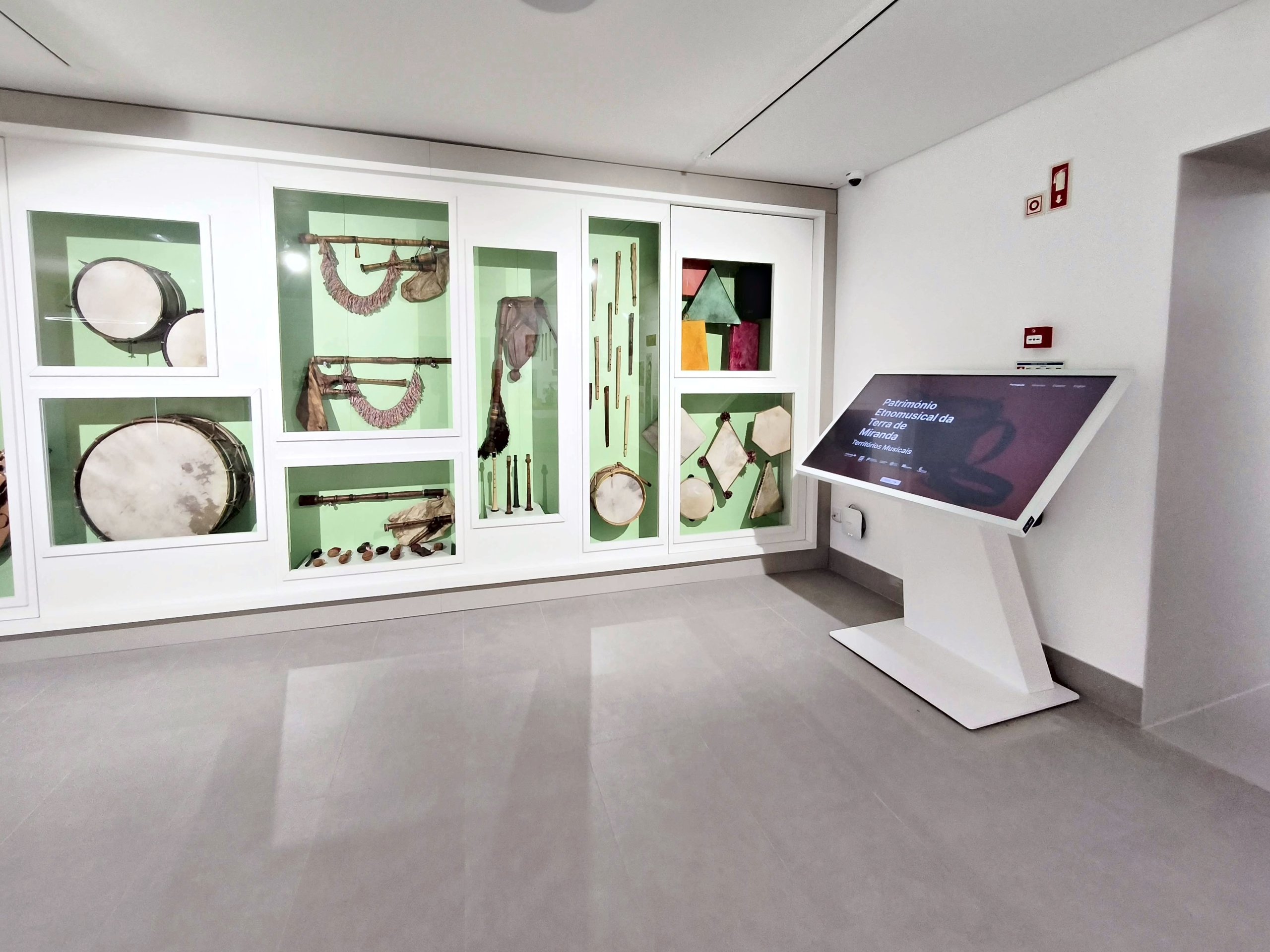
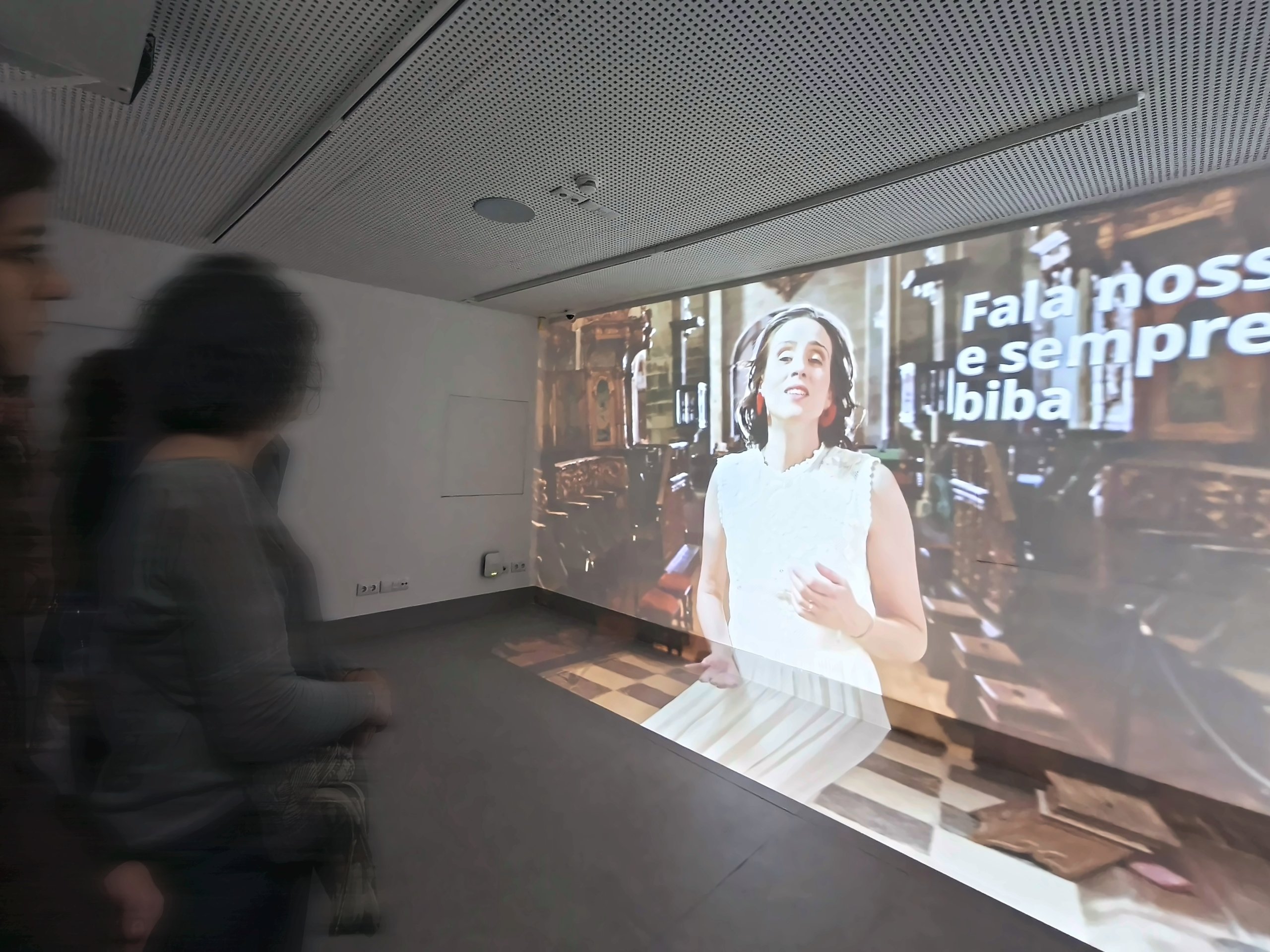
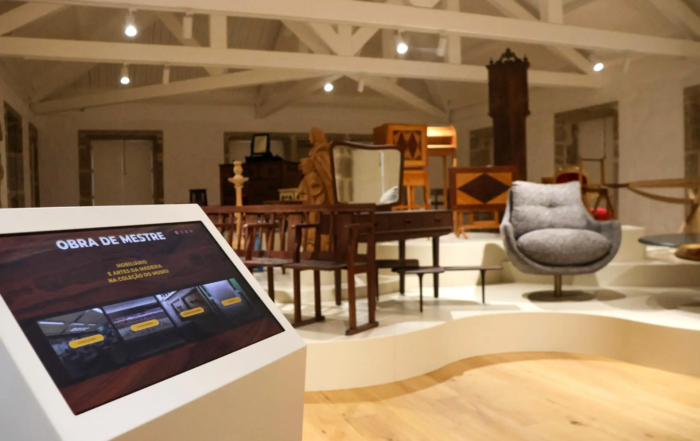
Technology serves that memory. An OQTOPUS interactive table in the language and identity space, a touch kiosk on the region’s musical heritage, screens, listening points and immersive projection rooms give voice to local testimonies and know-how. Every solution was custom-built for the museum.
The result is a museum where the people, voices and practices of the Terra de Miranda take centre stage, and where intangible heritage can be seen, heard and shared by new generations.
Sector
Tourism & Culture
Local
Miranda do Douro
Client
Museus e Monumentos de Portugal
Year
2026
Sector
Tourism & Culture
Local
Miranda do Douro
Client
Museus e Monumentos de Portugal
Year
2026
Housed in the former Domus Municipalis in the historic centre of Miranda do Douro, the Museum of Terra de Miranda reopened on 10 October 2026 after more than four years of renovation and extension works. Founded in 1982 by António Maria Mourinho, the museum holds the ethnographic, archaeological and linguistic collections of Miranda do Douro, Vimioso and Mogadouro.
EDIGMA designed the new permanent exhibition and delivered its technology and graphics throughout the building. This was a complete overhaul that meant redesigning the execution project, giving the museum contemporary museography while keeping it rooted in its territory.
Mirandese, Portugal’s second official language, guides the visit. It appears alongside Portuguese and English across all content and signage, and takes visitors through language and identity, music and dance, traditional crafts, costume, the bread cycle and the calendar of festivities.
Technology serves that memory. An OQTOPUS interactive table in the language and identity space, a touch kiosk on the region’s musical heritage, screens, listening points and immersive projection rooms give voice to local testimonies and know-how. Every solution was custom-built for the museum.
The result is a museum where the people, voices and practices of the Terra de Miranda take centre stage, and where intangible heritage can be seen, heard and shared by new generations.